






- By Georges Saliba - In News
High Gold Prices Weigh on China’s Jewelry Market
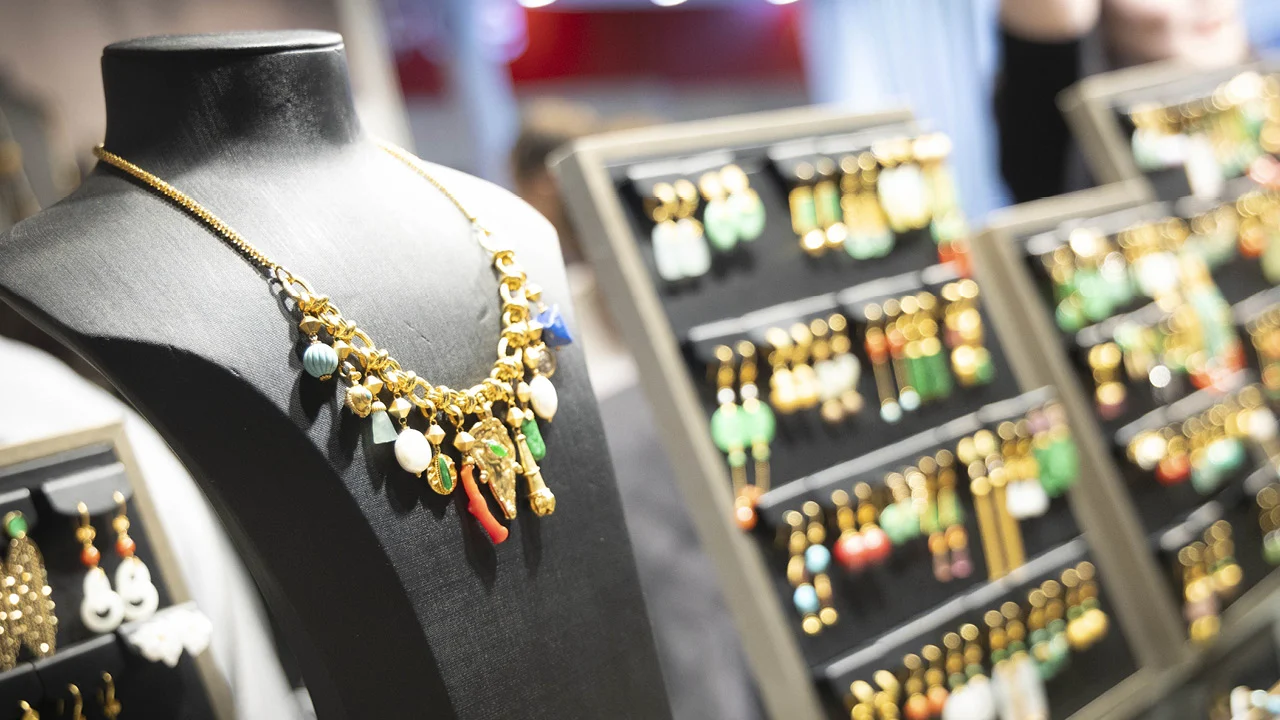
Hong Kong show reflects complex effects of mainland’s economic crisis.

Rising Costs and Weakened Demand
For much of the past year, gold prices have trended upward amid global economic uncertainty. In China, the world’s largest consumer of gold jewelry, these soaring prices have begun to weigh on both retailers and consumers. Higher input costs mean that jewelers must raise prices or reduce margins to stay profitable, which can lead to diminished demand among value-conscious shoppers.
Shifts in Consumer Behavior
Gold is deeply ingrained in Chinese cultural traditions—particularly for weddings, Lunar New Year festivities, and as investment assets. However, with gold now at historic highs, many consumers are adopting alternative buying behaviors:
- Smaller Pieces or Lower Karat: Some shoppers are choosing lower-karat gold items or smaller designs as a way to offset high price tags.
- Alternative Metals: Consumers are increasingly looking at more affordable metals (e.g., platinum or rose gold alloys) for statement pieces, especially younger buyers exploring trendy styles.
- Purchases on Hold: Many potential buyers are delaying big-ticket gold purchases in hopes of a price dip later in the year.
Impact on Retailers and Brands
- Profit Margin Pressures: Retailers face a tough balance between passing higher gold prices to customers and maintaining competitive pricing. Prolonged high prices can compress margins if jewelers absorb some of the cost to stay appealing.
- Inventory Challenges: Stocking too much gold at lofty prices risks a devaluation if gold prices correct. Conversely, understocking could mean lost sales during peak demand (e.g., wedding season).
- Innovation and Diversification: Brands are experimenting with lighter-weight gold pieces, fashion-forward collections using mixed metals, or bridging into fashion jewelry to retain foot traffic even when pure-gold demand falls.
Outlook for the Chinese Jewelry Market
Analysts remain cautiously optimistic about a gradual normalization of the gold market:
- Prices May Stabilize: If global economic pressures ease, gold prices could stabilize or correct, renewing consumer interest in heavier gold jewelry.
- E-Commerce Growth: Online platforms offering competitive pricing and transparent product details continue to gain traction, especially with younger consumers.
- Long-Term Cultural Value: Despite short-term fluctuations, gold remains a trusted symbol of wealth, status, and tradition in China, suggesting that demand—though temporarily muted—will remain strong over the long run.
Conclusion
While high gold prices are currently challenging China’s jewelry market, innovation in product design and strategic inventory management can help jewelers navigate these conditions. In the long term, as macroeconomic pressures shift and prices potentially normalize, gold jewelry is poised to regain its standing among Chinese consumers.
Author


